

The Future of In-Vitro Peptide Research: Emerging Trends and Breakthrough Discoveries
In the dynamic landscape of biomedical science, in-vitro peptide research stands as a cornerstone, driving our understanding of biological processes and fueling the development of innovative therapeutic and diagnostic tools. As researchers continually push the boundaries of what's possible, the field is witnessing unprecedented growth, marked by exciting emerging trends and breakthrough discoveries. Lyos Labs is committed to supporting this crucial work by providing the highest quality precision research peptides, enabling scientists to explore these frontiers with confidence.
Advancements in Peptide Synthesis and Characterization
The foundation of all in-vitro peptide research lies in the ability to produce high-purity, well-characterized peptides. Recent years have seen significant strides in synthesis and analytical methodologies, revolutionizing how researchers access and study these vital molecules.
Enhancing Solid-Phase Peptide Synthesis (SPPS) and Beyond
While Solid-Phase Peptide Synthesis (SPPS) remains a gold standard, continuous innovations are making it more efficient, scalable, and capable of producing more complex peptide sequences. Advancements include optimized coupling reagents, improved resin technologies, and automated synthesis platforms that drastically reduce reaction times and enhance purity. Furthermore, hybrid approaches combining SPPS with enzymatic ligation or click chemistry are opening doors to synthesizing peptides with intricate modifications, cyclizations, and large protein segments that were once challenging to achieve.
Precision Analytical Techniques for In-Vitro Studies
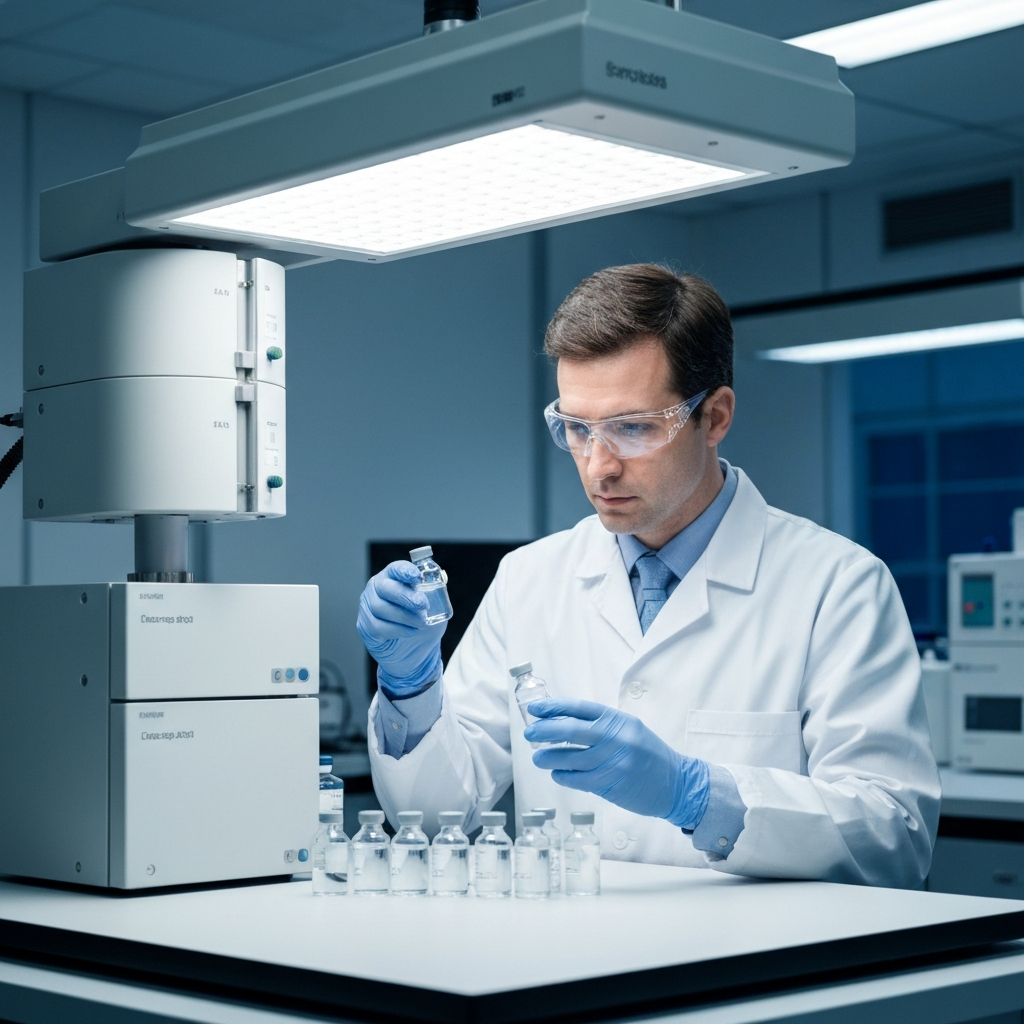
The ability to precisely characterize peptides is paramount for accurate in-vitro research. Breakthroughs in analytical chemistry, such as high-resolution mass spectrometry (HRMS), nuclear magnetic resonance (NMR) spectroscopy, and advanced chromatographic techniques (e.g., UPLC, 2D-LC), provide unparalleled insights into peptide structure, purity, and post-translational modifications. These tools are crucial for validating the integrity of research peptides before their application in complex biological systems, ensuring reliable and reproducible experimental outcomes.
High-Throughput Screening and Computational Approaches in Peptide Discovery
The pace of peptide discovery has been dramatically accelerated by integrating advanced technological solutions, allowing researchers to explore vast molecular spaces with unprecedented efficiency.
Accelerating Discovery with High-Throughput Screening (HTS)
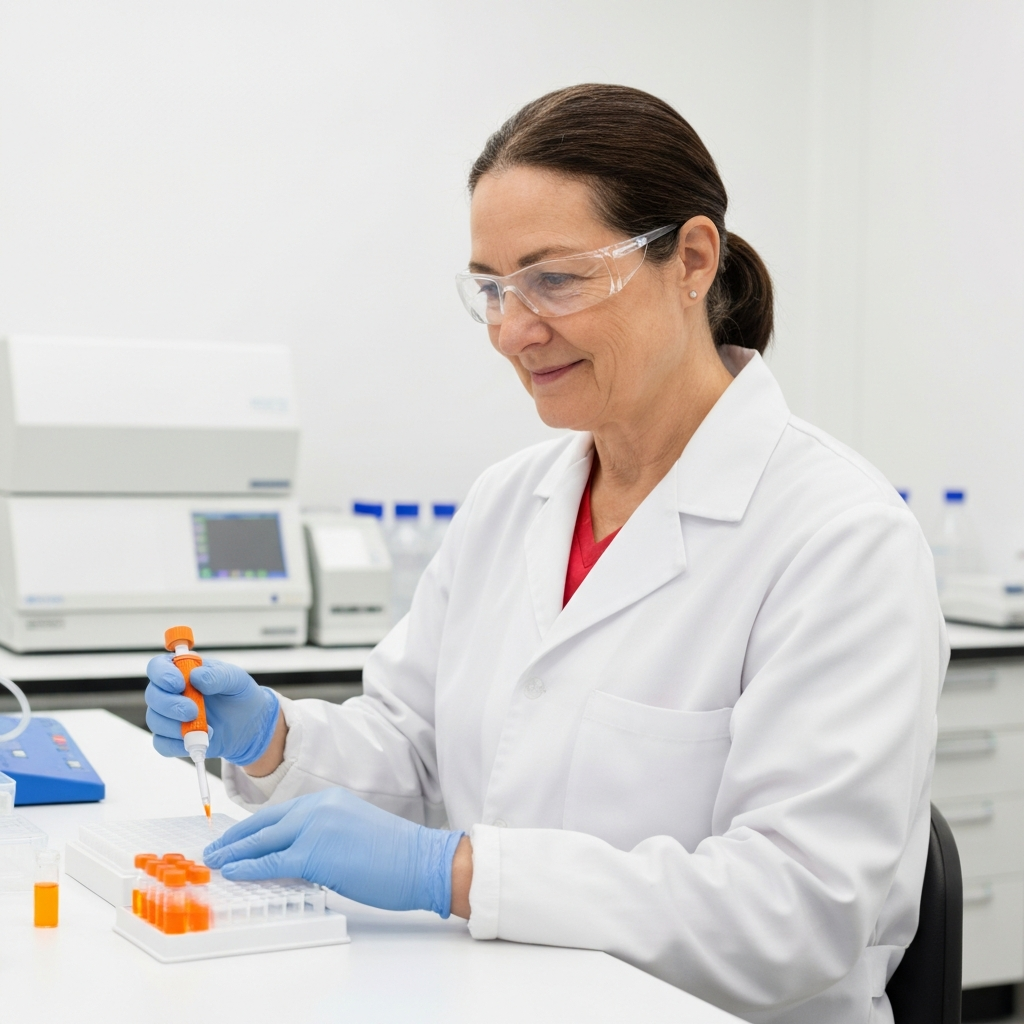
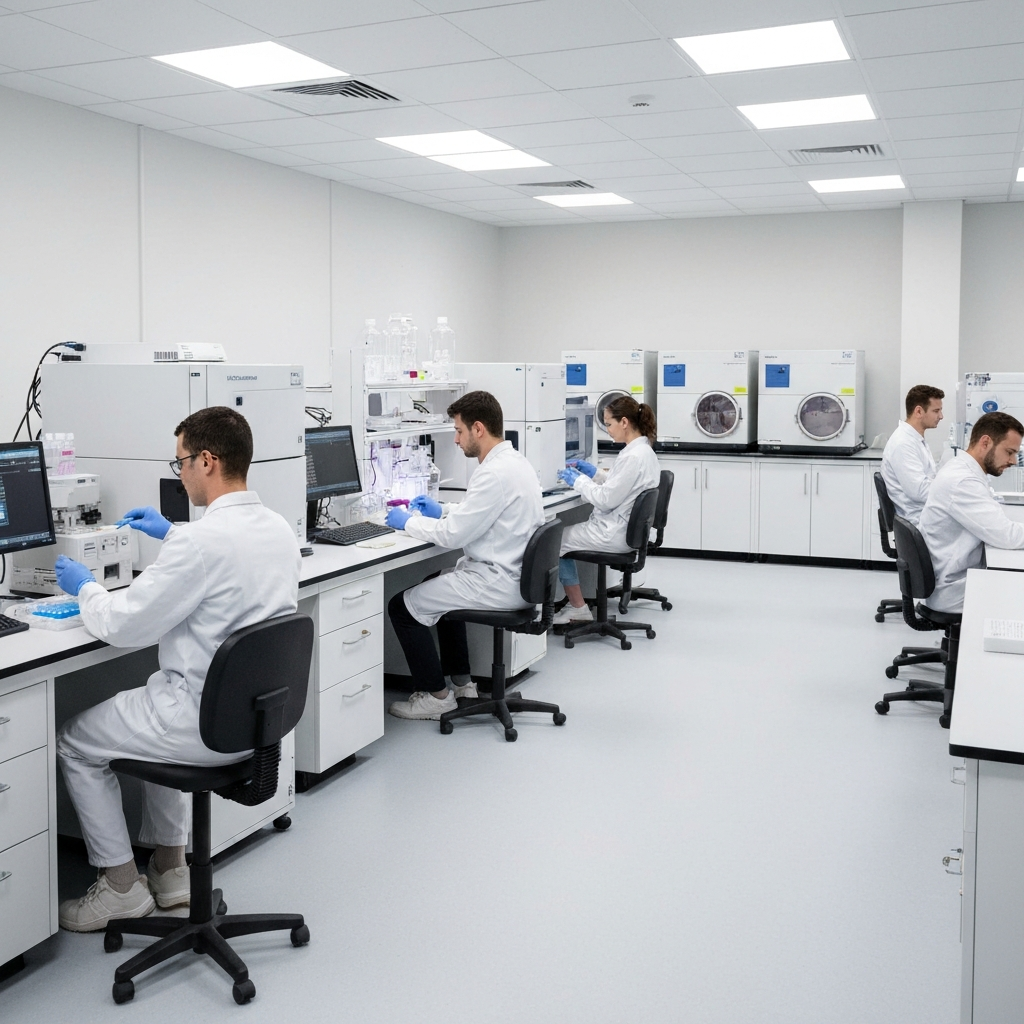
High-Throughput Screening (HTS) platforms are central to modern in-vitro peptide research. These systems enable the rapid testing of large libraries of synthetic or natural peptides against specific biological targets (e.g., receptors, enzymes, protein-protein interactions) within a controlled in-vitro environment. HTS facilitates the identification of lead candidates with desired activities, such as agonism, antagonism, or enzyme inhibition, vastly speeding up the initial stages of drug discovery and development.
The Transformative Role of Artificial Intelligence and Machine Learning
Artificial Intelligence (AI) and Machine Learning (ML) are rapidly transforming peptide research by complementing and enhancing experimental efforts. AI algorithms can predict peptide properties, such as binding affinity, permeability, stability, and even potential toxicity, reducing the need for extensive wet-lab experimentation. ML models are being trained on vast datasets of known peptide structures and functions to design novel peptide sequences with optimized characteristics, identifying promising candidates for in-vitro synthesis and subsequent biological testing.
Expanding Applications: From Therapeutics to Diagnostics
The versatility of peptides is driving their application across a multitude of scientific disciplines, with in-vitro research serving as a critical testing ground.
Peptides as Precision Therapeutics
In-vitro studies are crucial for developing peptides into highly specific therapeutic agents. This includes antimicrobial peptides (AMPs) battling antibiotic resistance, immunomodulatory peptides targeting autoimmune diseases, and cell-penetrating peptides (CPPs) designed to deliver therapeutic cargo into cells. Furthermore, research into peptide-based vaccines and targeted cancer therapies relies heavily on initial in-vitro validation to assess efficacy and specificity before advancing to complex models.
Revolutionizing Diagnostics and Biomarker Discovery
Peptides are proving invaluable in diagnostic applications. Their high specificity and affinity for target molecules make them excellent candidates for biosensors, imaging agents, and components in rapid diagnostic tests. In-vitro research is actively exploring peptides as capture agents for disease biomarkers, leading to earlier and more accurate disease detection. Peptide aptamers, for instance, offer a promising alternative to antibodies in certain diagnostic contexts, characterized by their smaller size, easier synthesis, and enhanced stability.
Navigating the Future: Challenges and Opportunities
While the future of in-vitro peptide research is bright, it also presents unique challenges that demand continued innovation and collaboration.
Overcoming Complexity and Ensuring Reproducibility
Synthesizing increasingly complex and longer peptides with multiple modifications, while maintaining high purity, remains a significant challenge. Furthermore, ensuring the reproducibility of in-vitro experimental results across different labs and conditions is paramount. This necessitates stringent quality control for all research materials, including the peptides themselves, and the standardization of experimental protocols.
Lyos Labs: Paving the Way for In-Vitro Innovation
At Lyos Labs, we understand the critical importance of reliable, high-purity peptides for groundbreaking in-vitro research. Our commitment to precision synthesis and rigorous quality control ensures that researchers have access to the finest research peptides, allowing them to confidently pursue emerging trends and make breakthrough discoveries. We believe that the accuracy of your results depends on the quality of your starting materials, and we are dedicated to providing the foundational components necessary for advancing the science of tomorrow.
Conclusion
The future of in-vitro peptide research is characterized by remarkable innovation, fueled by advancements in synthesis, analytical techniques, and computational power. As these trends continue to evolve, peptides are poised to play an even greater role in addressing some of humanity's most pressing health challenges. By embracing high-quality materials and cutting-edge methodologies, the scientific community, supported by dedicated partners like Lyos Labs, will continue to unlock the vast potential of peptides in ways previously unimaginable.